
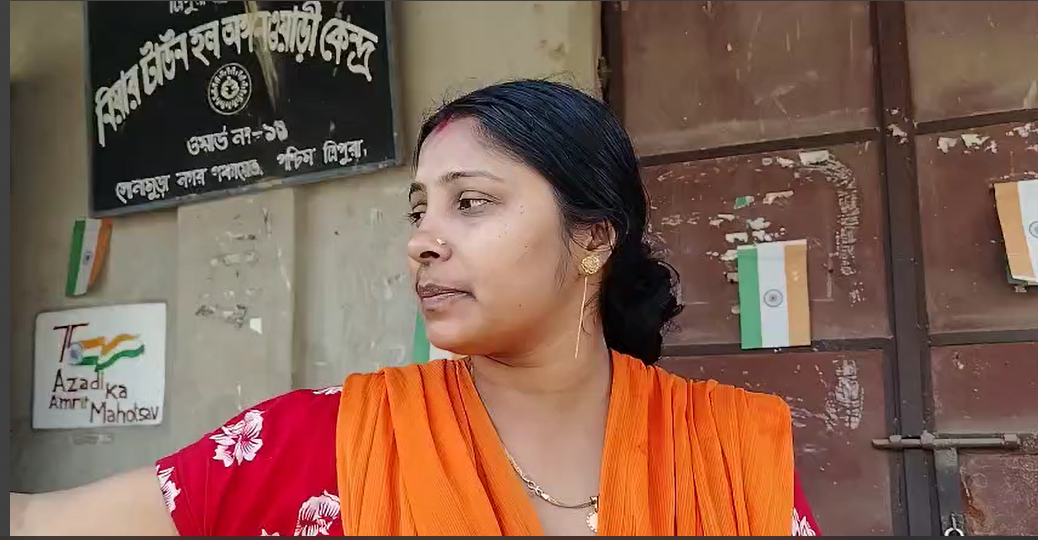
In Sonamura city, the Anganwadi center has been operating under severe mismanagement for the past 18 years. The center is facing multiple issues, including the lack of electricity, and it is being used for both educational activities and cooking within the same room. Concerns have been raised about the safety of children at this center. Recently, on the 12th of this month, a theft occurred at the facility, and despite filing a complaint, there has been no police investigation.
The situation at the Anganwadi center in Sonamura highlights several critical issues:
Long-Term Mismanagement:
The center’s operation for 18 years without proper management raises serious concerns about accountability and oversight from local authorities. It suggests systemic failures in addressing the needs of vulnerable populations.
Safety Concerns for Children:
The lack of safety measures and proper facilities poses significant risks to children attending the center. The dual use of space for education and cooking can lead to unsafe conditions.
Lack of Basic Amenities:
The absence of electricity further exacerbates the challenges faced by staff and children at the center. Basic amenities are essential for creating a conducive learning environment.
Theft Incident:
The recent theft incident indicates potential security lapses at the facility. The lack of police investigation following a reported crime raises questions about law enforcement’s responsiveness to community concerns.
Community Impact:
The mismanagement of such centers affects not only the children but also their families and the broader community. Parents may be reluctant to send their children to an unsafe environment.
Need for Immediate Action:
This situation calls for urgent intervention from local government officials and child welfare organizations to improve conditions at the Anganwadi center. Measures should be taken to ensure safety, provide necessary infrastructure, and enhance management practices.
Public Awareness:
Raising awareness about these issues can mobilize community support and pressure local authorities to take action.
What are the causes of this mismanagement?
The mismanagement at the Anganwadi center can be attributed to several factors:
Lack of Accountability:
Long-term mismanagement often stems from a lack of accountability among local authorities and officials responsible for overseeing such facilities. Without proper oversight, issues can persist unchecked.
Insufficient Funding:
Many Anganwadi centers operate with limited financial resources, which can lead to inadequate facilities, lack of basic amenities (like electricity), and insufficient staff training.
Poor Infrastructure:
The physical condition of the center may have deteriorated over time due to neglect, leading to unsafe environments for children.
Administrative Inefficiency:
Bureaucratic inefficiencies can hinder timely responses to complaints and necessary improvements. This includes delays in addressing safety concerns or upgrading facilities.
Community Engagement:
A lack of community involvement in monitoring and advocating for the needs of the Anganwadi center can contribute to its ongoing issues. Community support is crucial for ensuring that such centers meet their objectives effectively.
Political Will:
The absence of political will to address these systemic issues can perpetuate mismanagement. If local leaders do not prioritize child welfare programs, improvements may not be made.
Social Factors:
Broader social issues, such as poverty and lack of education among parents, can impact the functioning of Anganwadi centers. Families facing economic hardships may not prioritize sending their children to poorly managed facilities.
Conclusion
The mismanagement at the Anganwadi center in Sonamura is a complex issue rooted in various systemic problems, including lack of accountability, insufficient funding, poor infrastructure, administrative inefficiency, and limited community engagement. Addressing these challenges will require a concerted effort from local authorities, community members, and policymakers to ensure that children’s safety and well-being are prioritized in such essential services.
