
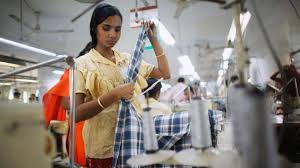
The recent imposition of tariffs by the United States has raised significant concerns in Bangladesh, particularly within its vital garment export sector. Bangladesh, heavily reliant on its apparel industry for foreign exchange earnings, faces potential economic repercussions from these trade measures.
Key Impacts:
- Garment Industry Vulnerability:
- Bangladesh’s garment industry is highly price-sensitive. US tariffs could significantly increase the cost of Bangladeshi apparel for American consumers, making them less competitive compared to products from other countries.
- The industry, a major employer in Bangladesh, could face reduced orders and potential job losses if US retailers shift their sourcing to nations with lower tariffs.
- Economic Dependence on the US Market:
- A substantial portion of Bangladesh’s garment exports goes to the US market, making it particularly vulnerable to any changes in US trade policy.
- Reduced exports could negatively impact Bangladesh’s GDP, foreign exchange reserves, and overall economic stability.
- Competitive Disadvantage:
- If competing nations have lower tariffs, Bangladesh’s products will cost more.
- This will cause US buyers to find other sources for their clothing.
- Potential for Currency Devaluation:
- To combat the increase of cost from the tariffs, Bangladesh may devalue their currency. This could cause other problems for the country, such as increased cost of imports.
- Search for alternative markets:
- This situation might cause Bangladesh to look for other countries to sell their goods to.
Industry Concerns:
- Garment manufacturers and exporters are expressing deep anxiety about the potential loss of market share and the long-term impact on their businesses.
- Industry associations are urging the Bangladeshi government to engage in diplomatic efforts to mitigate the effects of the tariffs.
- There is a large concern that many workers in the garment industry could lose their jobs.
Potential Mitigation:
- The Bangladeshi government may explore strategies to diversify its export markets and reduce its reliance on the US.
- Industry stakeholders could focus on improving efficiency and reducing production costs to remain competitive.
- Diplomatic efforts to negotiate favorable trade agreements with the US are crucial.
The US tariffs pose a significant challenge to Bangladesh’s garment industry and its overall economy. The outcome will depend on the effectiveness of Bangladesh’s response and the future of US trade policy.
