
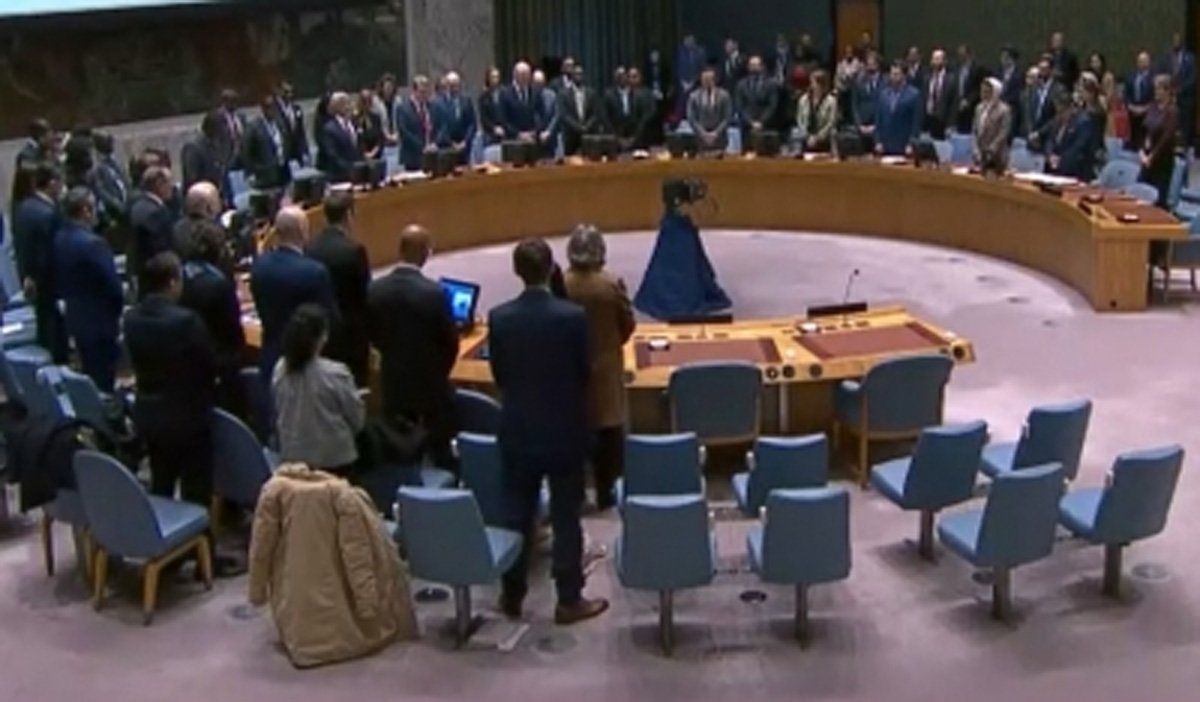
The United Nations Security Council (UNSC) recently held a closed-door meeting at Pakistan’s request, where tough questions were raised by council members, rejecting Islamabad’s “false flag” narrative.
During the meeting, the UNSC members addressed the Pahalgam terror attack issue and questioned Pakistan’s possible involvement with LeT. The council strongly condemned the April 22 attack, emphasizing the need for accountability. Additionally, concerns were raised regarding Pakistan’s missile tests and nuclear rhetoric, deemed as “escalatory factors”. The council advised Pakistan to resolve issues with India through bilateral channels rather than internationalizing the situation.
The meeting served as a blow to Pakistan, which had requested closed consultations on the matter as a non-permanent member of the Security Council. India’s proactive approach in engaging with UNSC member countries played a significant role in the outcome of the meeting, with Prime Minister Modi and External Affairs Minister S Jaishankar maintaining continuous communication with key council members.
Pakistan, on the other hand, dismissed India’s allegations as attempts to undermine the Kashmiri people’s struggle for self-determination and divert attention from its own alleged state terrorism. The Pakistan Foreign Ministry highlighted the council’s concerns over the risk of escalation and regional instability, attributing them to the unresolved Jammu and Kashmir dispute.
Despite Pakistan’s efforts to redirect the focus towards the Kashmir issue, the UNSC members remain steadfast in addressing the Pahalgam terror attack and other pressing concerns. Pakistan’s Permanent Representative to the UN, Asim Iftikhar Ahmad, was criticized for misusing the platform to spread misinformation and distract from the core issues at hand.
