
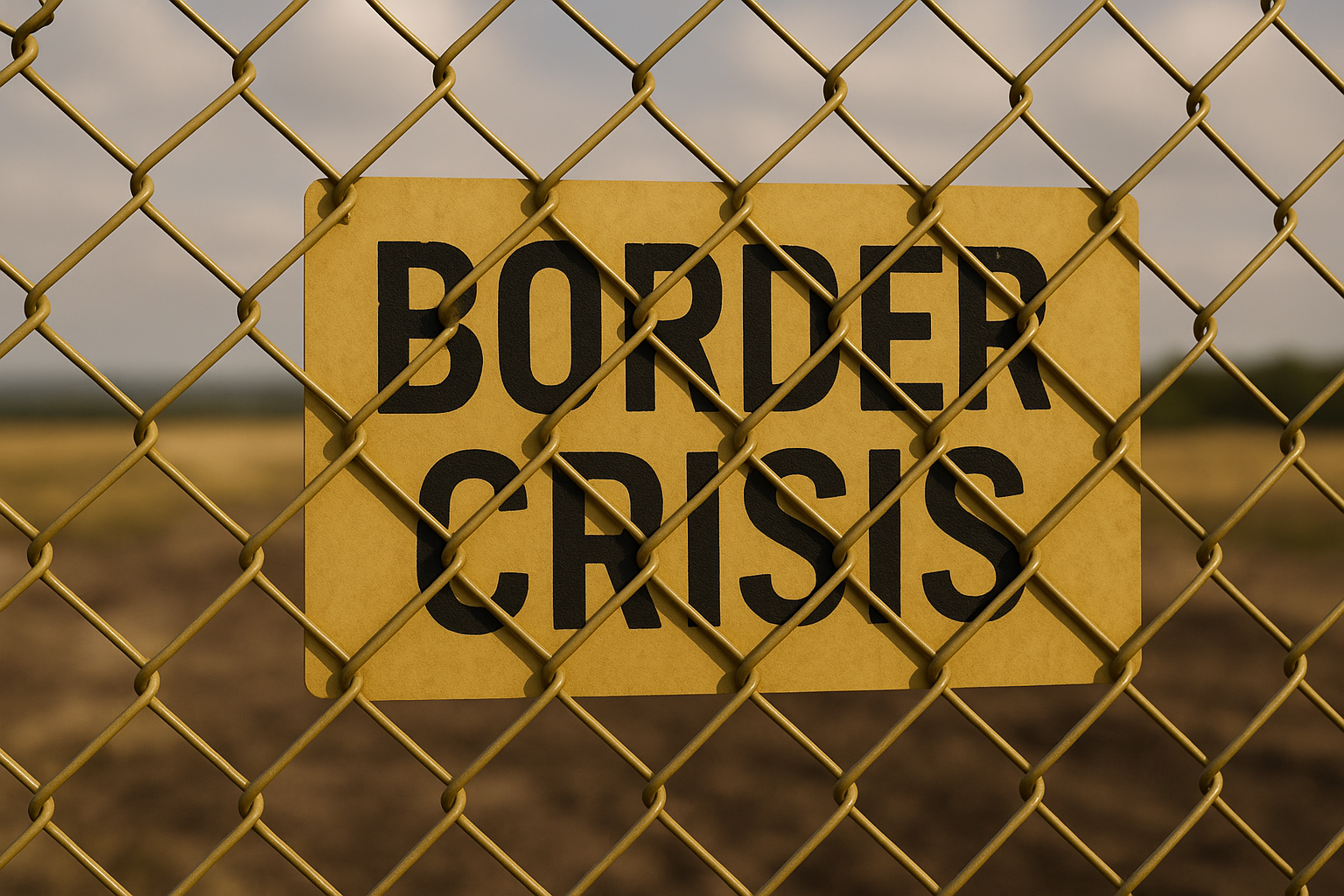
The Bengal–Bangladesh border issue is often blamed on politics. But history, economics, and community choices show society itself bears responsibility.
The Convenient Scapegoat: Politics
For decades, border migration in Bengal has been blamed on politics. Vote-bank strategies, weak border controls, and party opportunism dominate the conversation. But pointing fingers only at politicians is convenient—it allows society to escape self-reflection.
The harder question is this: Did ordinary Bengalis themselves play a role in creating today’s border crisis?
Cheap Labour, Silent Approval
Migration didn’t thrive simply because fences were weak. It thrived because locals demanded it. Farmers, small businesses, and households in border districts consistently preferred Bangladeshi migrants as cheap labour. Whether in agriculture, brick kilns, construction, or domestic work, migrants worked for less, and this suited local economies.
This wasn’t politics—it was economics. Communities prioritized short-term gain over long-term demographic balance. Every “well-to-do” family that hired cheap hands contributed to the silent acceptance of migration.
Selling the Land, Selling the Future
It is no secret that many Bengalis willingly sold land at higher prices to incoming Muslim families from across the border. For individuals, these sales meant profit. Collectively, they altered demographics in entire border villages.
The current outcry over being “outnumbered” ignores this history. Communities cannot claim victimhood when their own economic greed helped shape the outcome.
Arrogance and Isolation
There’s also a cultural dimension. Bengali society has long been proud of its intellectual and cultural heritage. But pride often turned into arrogance and isolation. Non-Bengali communities in the region—tribal groups, Hindi speakers, even neighboring states—were often treated with suspicion or disdain.
This isolation meant Bengal’s border challenges remained Bengal’s alone. No wider solidarity was built. And inside Bengal itself, caste divides and elitism further fractured unity. A divided house cannot defend its boundaries.
Politics: Exploiting What Society Allowed
Yes, political parties manipulated migration for votes. But politics thrives where society permits it. If communities hadn’t welcomed cheap labour, sold land freely, and stayed divided internally, political exploitation would have been far harder.
The uncomfortable truth is this: politics is the symptom. The deeper disease is the psyche—greed, division, and short-termism—that ordinary Bengalis have carried for decades.
A Crisis of Psyche, Not Just Borders
The Bengal–Bangladesh border problem is not just a political failure. It is the product of:
- Historical displacement from Partition and 1971.
- Economic choices prioritizing cheap labour.
- Land sales driven by profit.
- Cultural arrogance that isolated Bengalis from allies.
- Internal divisions that weakened unity.
Every factor reflects not only governance failure but also community complicity.
Conclusion: Facing the Mirror
It is easier to blame Delhi, Kolkata, or political parties. It is harder to ask: what role did our own choices play?
The truth is stark: every family that hired cheap migrant labour, every land sale for profit, every act of cultural arrogance contributed to today’s border problem.
Unless Bengalis confront this uncomfortable reality, the crisis will persist. Borders are not just defended by fences and soldiers—they are defended by the unity, foresight, and integrity of the people who live along them.
