
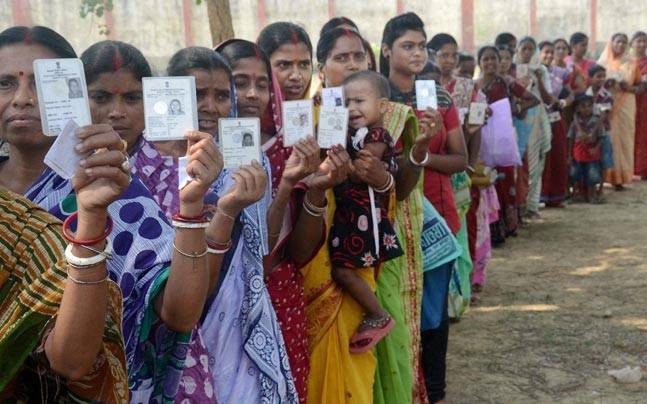
The Assam Panchayat elections, a pivotal event in the state’s democratic framework, are poised to commence following the conclusion of the High School Leaving Certificate (HSLC) and Higher Secondary (HS) examinations. Chief Minister Himanta Biswa Sarma has indicated that the election schedule will be announced by the end of March 2025, with polling likely to occur either before or after the Rongali Bihu festival in mid-April.
Scope of the Elections
This election cycle encompasses a substantial number of positions across various tiers of local governance:
Zilla Parishads (District Councils): 420 seats
Anchalik Panchayats (Intermediate Councils): 2,201 seats
Gaon Panchayats (Village Councils): 24,222 seats
In total, 26,843 posts are up for election, underscoring the extensive nature of this democratic exercise.
Electoral Roll and Voter Demographics
The State Election Commission has finalized the electoral rolls, revealing a total of 1,80,14,913 eligible voters. This electorate comprises 90,60,640 male voters, 89,53,865 female voters, and 408 individuals identifying as third-gender.
Participating Political Entities
Several political parties are set to contest these elections, including:
Bharatiya Janata Party (BJP): Led by Chief Minister Himanta Biswa Sarma, the BJP aims to consolidate its influence at the grassroots level.
Indian National Congress (INC): Under the leadership of Bhupen Kumar Borah, the INC seeks to regain its foothold in rural Assam.
Aam Aadmi Party (AAP): With Manoj Dhanuar at the helm, AAP is making its debut in Assam’s Panchayat elections, aiming to replicate its grassroots success from other regions.
Raijor Dal: Founded by activist Akhil Gogoi, Raijor Dal focuses on regional issues and the empowerment of local communities.
Asom Gana Parishad (AGP): A regional party with historical significance in Assam’s political landscape, AGP continues to advocate for Assamese identity and autonomy.
Significance of the Elections
The Panchayat elections are instrumental in shaping local governance and development policies. They serve as a barometer for public sentiment toward the ruling state government and provide insights into the political dynamics at the grassroots level. The outcomes will influence the implementation of welfare schemes, infrastructure projects, and community initiatives across Assam’s rural landscape.
As Assam prepares for this extensive electoral process, the focus remains on ensuring free, fair, and peaceful elections that reflect the aspirations of its rural populace.
