
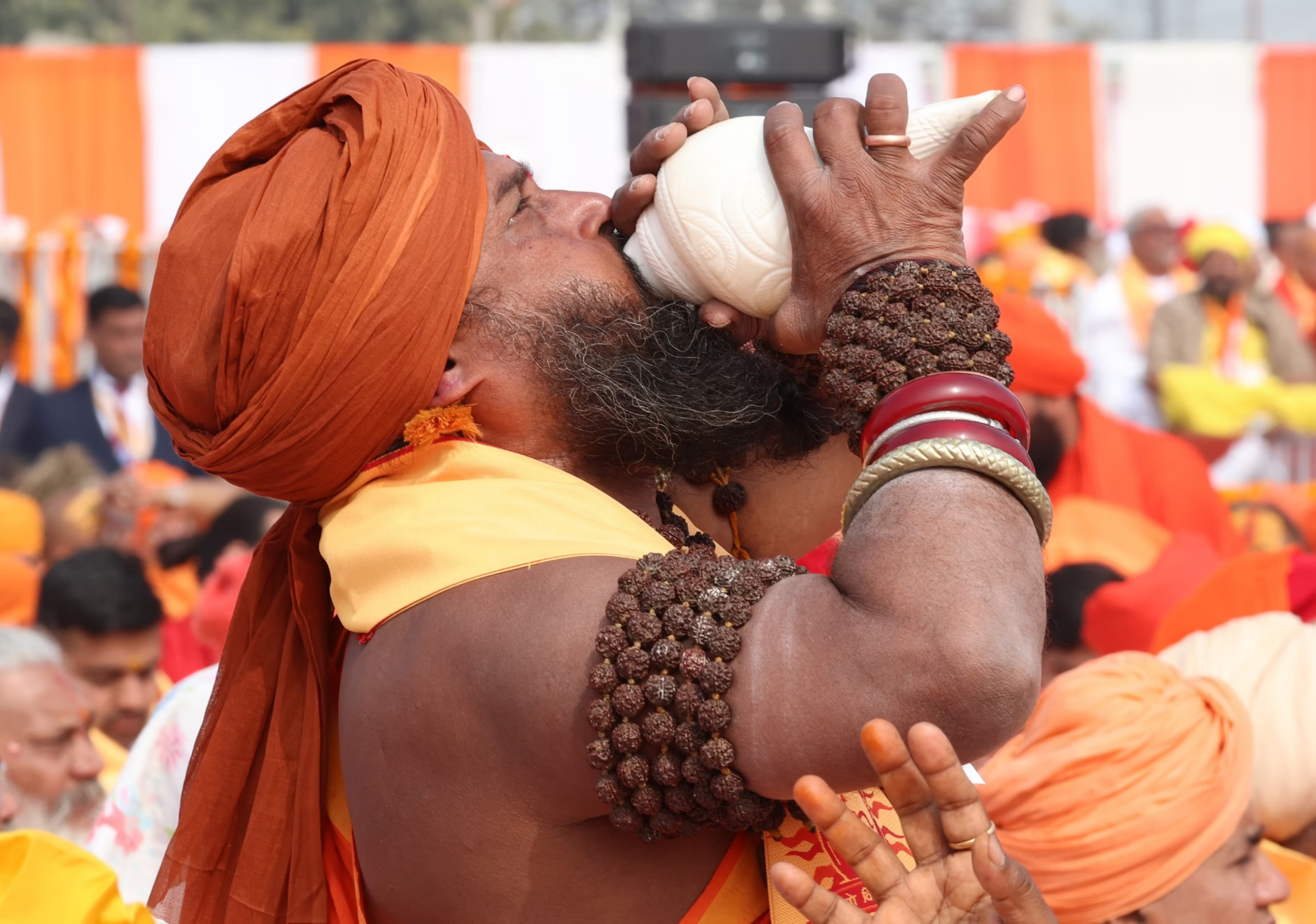
A recent study conducted by researchers from Jaipur, Rajasthan has found that the practice of conch blowing may be more effective in easing symptoms of sleep apnoea compared to deep breathing exercises. The study also revealed that conch blowing was associated with improved oxygen levels in the blood during sleep, leading to a better quality of night-time rest for participants.
Obstructive sleep apnoea is a common sleep disorder characterized by the relaxation and narrowing of muscles in the throat, causing disruptions in breathing and decreased oxygen levels in the blood. This often results in poor quality sleep and feelings of fatigue or sleepiness during the day.
The researchers conducted a comparative analysis of conch blowing and deep breathing exercises as potential treatments for sleep apnoea. Participants were asked to practice conch blowing and deep breathing techniques before bedtime for a period of time. The results showed that conch blowing was more effective in alleviating symptoms of sleep apnoea and improving oxygen levels in the blood during sleep.
Participants also reported experiencing a better quality of night-time sleep after practicing conch blowing compared to deep breathing exercises. The researchers believe that the vibrations produced by blowing into a conch may help to strengthen the muscles in the throat and improve airflow during sleep, ultimately reducing the severity of sleep apnoea symptoms.
Further research is needed to fully understand the potential benefits of conch blowing as a treatment for sleep apnoea. However, these findings suggest that this traditional practice may offer a simple and effective alternative to conventional treatments for individuals struggling with sleep apnoea.
