
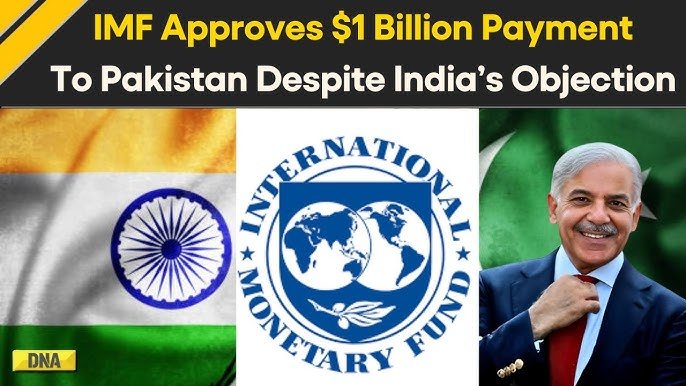
IMF approves $1 billion to Pakistan amid India’s protests, raising regional concerns over financial transparency, security, and geopolitical stability.
IMF approves $ 1 billion for immediate disbursement to Pakistan under the Extended Fund Facility, despite protests from India. The decision was made after a review of the EFF lending program as well as consideration of a new Resilience and Sustainability Facility program for Pakistan.
Prime Minister Shehbaz Sharif expressed satisfaction over the approval of the $1 billion installment, stating that Pakistan’s economic situation has improved and the country is moving towards development. However, India raised concerns over the efficacy of IMF programs for Pakistan, citing the country’s poor track record and the potential misuse of debt financing funds for cross-border terrorism.
During a board meeting, India abstained from voting on the bailout package to Pakistan, as IMF rules do not allow for a formal “no” vote. India emphasized Pakistan’s prolonged borrowing history, poor implementation of program conditions, and the risks posed by military interference in policy making and reforms. India also warned that rewarding sponsorship of cross-border terrorism could have dangerous implications for the global community.
The $7 billion aid package deal between Pakistan and the IMF, reached in July last year, aims to establish macroeconomic stability and promote stronger, more inclusive growth. However, tensions between India and Pakistan have escalated following India’s missile strikes on “terror targets” in Pakistan and Pakistan-occupied Kashmir. In retaliation, Islamabad has carried out unprovoked attacks along the International Border and the Line of Control, targeting military installations in Jammu and Kashmir, Punjab, and Rajasthan.
The ongoing military standoff has heightened tensions between the two neighboring countries, making the approval of IMF funds to Pakistan a contentious issue. Despite India’s protests, the IMF has moved forward with the disbursement of funds, signaling potential challenges ahead for both countries.
