
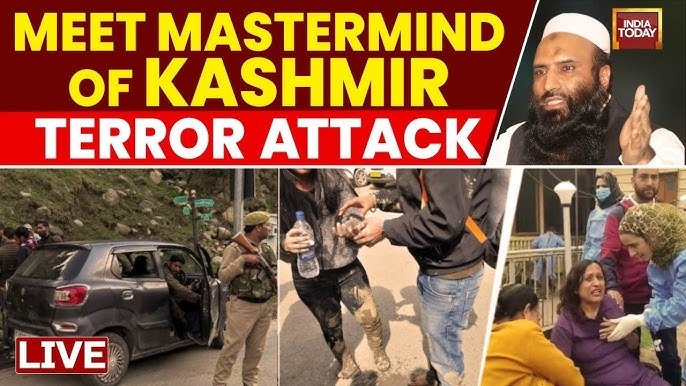
The recent attack in Pahalgam, located in the Anantnag district of India, has sparked tensions between Pakistan and India once again. Pakistan’s foreign ministry issued a statement expressing concern over the loss of lives in the attack and extended condolences to the families of the victims. The ministry also wished a speedy recovery to those injured in the incident.
The attack, claimed by the Resistance Front (TRF), an Islamist group believed to be a front for Lashkar-e-Taiba, resulted in the deaths of several tourists. The TRF circulated a message justifying the attack on social media, with the LeT commander, known as Abu Musa, declaring that jihad would continue in Kashmir. He specifically mentioned India’s new domicile policy, which he claimed aimed to change the demography of Kashmir by providing domicile certificates to nonlocals.
In response to the attack, Pakistan’s top leadership, including Army Chief General Asim Munir, delivered a speech emphasizing the importance of Kashmir to Pakistan and urging Pakistanis to support their Kashmiri brothers and sisters. Munir’s speech, which included references to jihad, was strongly condemned by India, which reiterated its stance that Pakistan should vacate the parts of Kashmir it occupies illegally.
The TRF statement accused non-local Hindus of obtaining domicile certificates under the guise of tourists and attempting to settle illegally in Jammu and Kashmir. The group warned of violence against those trying to change the demographics of the region.
Days before the attack, a commander of Lashkar-e-Taiba operating under the banner of the “Jammu Kashmir Unity Movement” openly called for a religious war at a rally in Rawalakot, Pakistan-controlled Kashmir. This escalation of rhetoric and violence has once again heightened tensions between Pakistan and India over the disputed region of Kashmir.
